
Lies, Reputation, and Credibility
Hallowe'en PartyThe story tests how a community’s settled opinions about liars, witnesses, and respectable people can obscure the truth until the investigation learns to question both speech and silence.
increasing Bearing strength in each event
 decreasing
Bearing strength in each eventdecreasingJoyce’s Boast
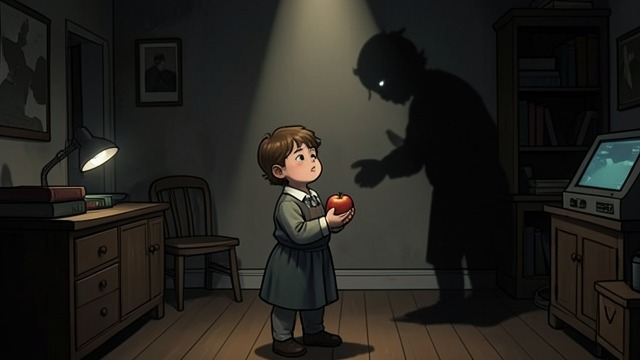
A Claim No One Accepts
The Announcement
When conversation turns to murder stories, Joyce Reynolds insists that she once saw a murder. The other children challenge her, adults rebuke her, and Joyce refuses to provide details, declaring that no one will believe her anyway.
Reputation at Work
Her account sounds like one of her familiar efforts to impress. Because the claim is vague and self-dramatizing, the group treats it as another tall tale rather than as a possible fragment of a real event.
The scene establishes the central problem of credibility: a statement may be true even when the speaker has trained everyone around her to distrust her.
The Village Verdict

A Reputation Solidifies
Repeated Testimony
Hercule Poirot hears much the same assessment from Joyce’s family, neighbors, teachers, and people who knew her socially. They recall her invented India stories and her habit of claiming experiences that would make others listen.
A Risky Consensus
That agreement is informative but not conclusive. Superintendent Spence warns that a person’s history of lying does not prove that every later statement is false, and Poirot keeps Joyce’s final claim under examination despite the community’s certainty.
The novel makes reputation a form of social evidence with limits: it can explain why a witness was ignored, but it cannot substitute for checking what the witness might actually have seen.
The Hidden Original
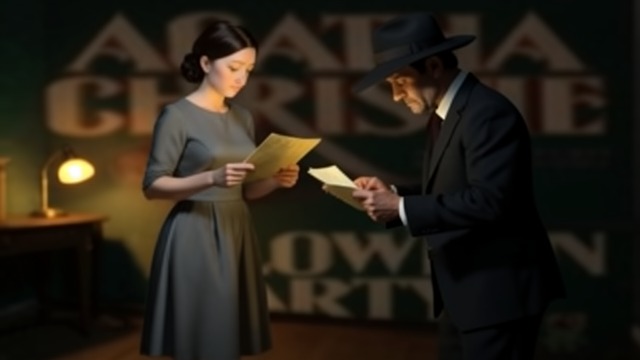
A Document and Its Witnesses
Conflicting Accounts
The disputed codicil appears to be a clumsy forgery that leaves Mrs Llewellyn-Smythe’s fortune to Olga Seminoff. At the same time, Harriet Leaman tells Ariadne Oliver that she and James Jenkins witnessed the old woman write and sign a genuine codicil.
Credibility Under Pressure
Leaman’s account seems to undermine the lawyers’ conclusion, but it concerns a different document from the one later submitted for probate. Poirot checks the distinction rather than treating either the witness or the legal experts as automatically decisive.
The contradiction reveals how partial truths can coexist with fraud: a genuine act of writing does not validate a separate forged paper prepared to exploit the confusion.
The Broken Vase Account
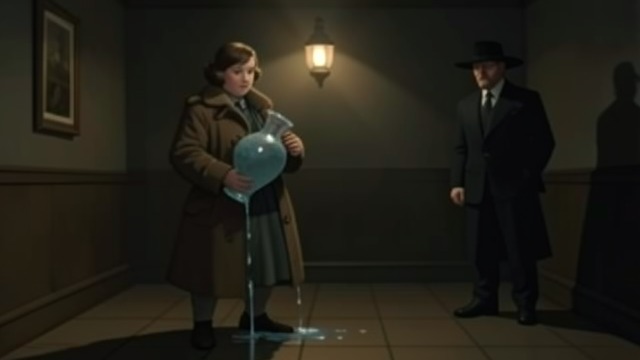
A Witness Misled
What Whittaker Saw
Elizabeth Whittaker reports that Rowena Drake appeared startled while carrying a water-filled vase above the hall. The vase fell, soaking Drake and smashing below; Whittaker later wonders whether Drake had seen someone near the library.
What Drake Withholds
When Hercule Poirot asks about the incident, Drake denies seeing anyone leave the library. Her careful denial raises a new question: not whether Whittaker invented the event, but why Drake is unwilling to identify what she saw.
The episode shows how a truthful observation can still support a false interpretation. Whittaker accurately remembers the vase and Drake’s reaction, while Drake’s account conceals the decisive fact that Leopold Reynolds emerged from the library doorway.
Miranda’s Testimony
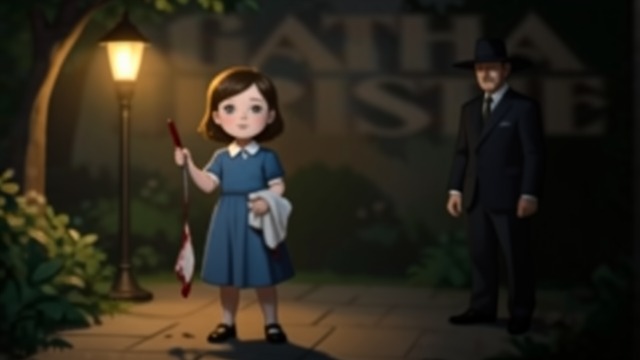
The Actual Witness
A Child’s Memory
Miranda Butler explains that Joyce was repeating a story Miranda had told her. Miranda had seen Rowena Drake and Michael Garfield carrying a wounded woman in the Quarry Garden, but at the time she thought it might have been an accident and kept silent from fear.
Recognition and Disclosure
A later encounter with the same pair, speaking about an island, revived the earlier memory and helped Miranda understand that the woman had been murdered. Under questioning, she names the adults she saw and describes how the event first appeared to her.
The truth emerges not because the most confident speaker is trusted, but because investigators separate Joyce’s borrowed boast from Miranda’s concealed observation and give the child’s memory room to become intelligible.
During the afternoon preparations for the party
The morning after Joyce’s murder
During inquiries into the old estate dispute
During Poirot’s interviews about the party
At the final police inquiry in London
